Spiritual Journey
You create your own happiness through alignment and intention.
“We walk with spirit, and spirit walks with us.”
Global Beginnings
The Global Origins of Modern Spiritualism.
Before arriving on the shores of New Zealand, Spiritualism was a rapidly growing global phenomenon that challenged traditional religious structures and captured the imagination of the Victorian world.
1840s: The Knock at the Door.
While the movement drew heavily on the earlier mystical writings of scientist Emanuel Swedenborg and the trance theories of Franz Mesmer, Modern Spiritualism officially dates its birth to March 31, 1848. In a small farmhouse in Hydesville, New York, two young sisters, Maggie and Kate Fox, claimed to communicate with the spirit of a murdered peddler via mysterious rapping noises. The "spiritual telegraph" was born, and the Fox sisters became the world's first celebrity mediums.
1850s – 1860s: Atlantic Expansion & Social Reform.
The movement spread like wildfire across North America and crossed the Atlantic to Great Britain by 1852. 1 Because it lacked a strict hierarchy or formal dogma, it became deeply intertwined with radical social reforms of the era, notably women's suffrage and the abolition of slavery. 2 Séances moved from private parlors to massive public lecture halls.
Spiritualism in New Zealand

Following the global wave, Spiritualism reached Aotearoa in the late 19th century. Pioneers and mediums traveled across the country, establishing circles that eventually flourished into the Spiritualist Alliance of New Zealand. Our centre continues this local legacy, remaining a dedicated sanctuary for spiritual seekers and those wishing to connect with their loved ones in the higher life.
Timeline:
The Journey of Spiritualism to New Zealand - Key Moments.
As the global movement matured, international lecturers and mediums traveled south, anchoring the philosophy in New Zealand soil.
Milestone Event
Year
1866: The Arrival: Mrs. Harris-Roberts arrives from England, hosting the first recorded public meetings explaining Spiritualist philosophy in New Zealand.
1875: Early Circles: Unorganized Spiritualist gatherings and private home circles are documented in multiple regions across the country.
1879: The Britten Visit: Renowned English medium Emma Hardinge Britten tours the North and South Islands. Her powerful lectures trigger a massive spike in local circles. She is also credited with defining the Seven Principles of Spiritualism.
1897: Philosophical Expansion: American physician and author Dr. J.M. Peebles tours New Zealand, lecturing on spiritual phenomena and comparative religion.
1900: The Church Formed: Gathering formats transition from informal circles into organized, formal church services, starting prominently in Christchurch.
1907: National Realignment: The majority of New Zealand's Spiritualist churches unite under the National Association of Spiritualist Churches, weathering harsh pushback from mainstream Christian leaders and legal prosecutions under "fortune - telling" laws.
1920: The Conan Doyle Boom: Sherlock Holmes creator Sir Arthur Conan Doyle, a fierce global advocate for Spiritualism, tours New Zealand. His highly publicized lectures give the local movement massive mainstream visibility and momentum.
1924: Legal Status: Following a petition drafted at the Wellington Conference (1923), an Act of Parliament officially passes on September 22, legally recognizing the Spiritualist Church of New Zealand (SCNZ).
A Short History of Spiritualism in New Zealand
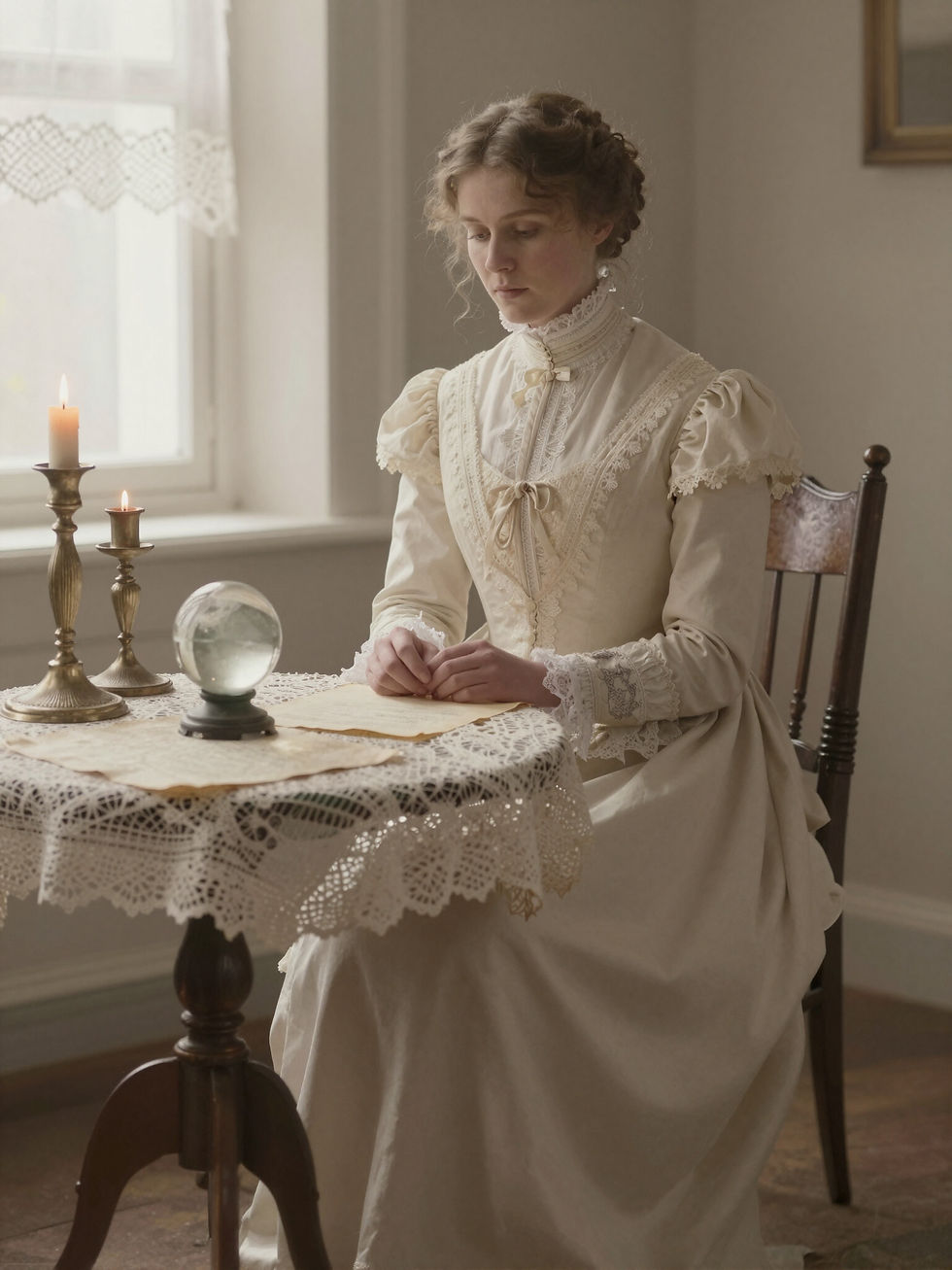
1860s ~ Early Settlers Bring Spiritualist Beliefs
Spiritualism arrived quietly with early European settlers, especially in Dunedin, making the city one of New Zealand’s earliest centres of Spiritualist activity.
1870 ~ Dunedin’s First Public Spiritualist Guidance
On 25 June 1870, the Echo newspaper published Emma Hardinge’s “Rules to Be Observed When Forming Spiritual Circles.” This article acted as a practical guide, sparking the formation of private home séance circles across Otago long before international mediums reached New Zealand.

Early 1900s ~ Growth of Circles & Early Churches
Home circles, travelling lecturers, and small Spiritualist groups spread across the country. Early Spiritualist churches began forming in major centres, offering structured services, healing, and public demonstrations of mediumship.
1884 ~ Freethought Association Forms
The New Zealand Freethought Association was founded in Dunedin, promoting secularism, rationalism, and free inquiry.
1914 - 1924 ~ World War I & Legal Recognition
Widespread grief after WWI led many New Zealand families to seek comfort through spirit communication. This period dramatically increased attendance at Spiritualist services and public séances.
The government formally recognised the movement through the Spiritualist Church of New Zealand Act 1924, which incorporated the church, established a National Council, and introduced official licensing for mediums.
1885 ~ The Freethought Schism
A fierce internal debate over the legitimacy of Spiritualism split the Freethought Association. Sceptics and believers clashed, revealing how deeply Spiritualist ideas had taken root in local culture.

20th Century ~ Psychical Research and Modern Practice
Groups such as the Psychical Research Society investigated mediumship blending belief with scientific inquiry. Public resources made literature widely accessible, anchoring Spiritualism in Aotearoa's alternative landscape.
Mid - 20th Century ~ Broadening Beyond Church Walls
Spiritualism expanded beyond formal church services into personal spiritual practice, healing work, and philosophical study. While never mainstream, it remained a steady part of New Zealand’s alternative religious landscape.
Spiritualism thrived in Aotearoa as settlers sought comfort and connection in a new land, weaving European traditions with the profound natural energy of the islands.

"New Zealand's unique landscapes provided a quiet, reflective environment that nurtured these early spiritual communities, fostering a deep respect for the unseen forces of nature."